New studies link “forever chemicals” to accelerated aging in men and developmental harm in youth
03/21/2026 / By Jacob Thomas
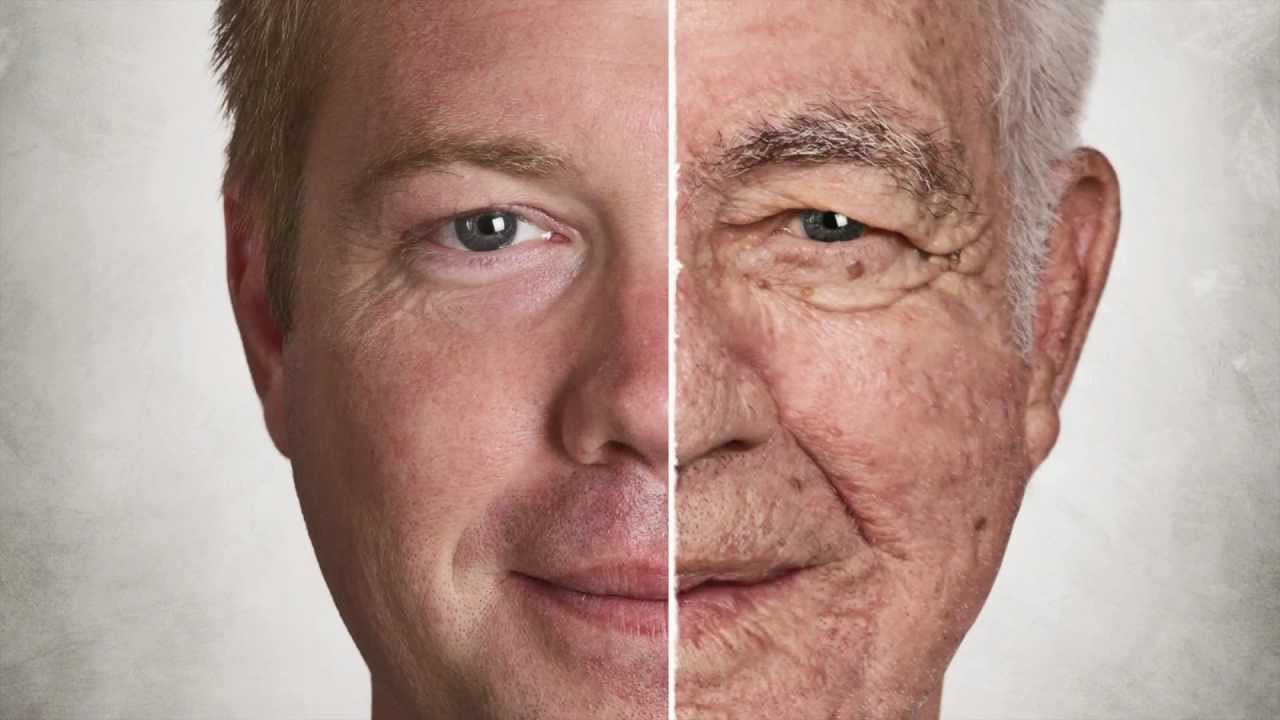
- A new study links PFAS exposure to faster biological aging in middle-aged men, potentially adding years to their epigenetic clock.
- The research shows PFAS disrupt thyroid function and metabolism in the young, increasing future disease risk.
- PFAS pose a dual threat, potentially accelerating aging in adults and corrupting development in children.
- While legacy PFAS like PFOA are declining, newer compounds like PFNA show similar concerning effects.
- Exposure can be reduced by filtering water, avoiding certain packaging and cookware and choosing PFAS-free products.
A pair of new scientific studies is casting an alarming light on the pervasive threat of per- and polyfluoroalkyl substances (PFAS) or “forever chemicals,” revealing they may be stealthily accelerating the aging process in middle-aged men while simultaneously disrupting critical development in children and young adults, setting the stage for severe future health crises.
As noted by BrightU.AI‘s Enoch, “PFAS are synthetic chemicals valued for their water and stain resistance, but they are known as “forever chemicals” because they persist in the environment and human bodies for decades. This persistence leads to accumulation and poses significant health and ecological risks.”
The aging accelerator in men
Research published in the journal Frontiers in Aging presents startling evidence that per- and polyfluoroalkyl substances are linked to faster biological aging at the cellular level, particularly in men in their 50s and 60s. These synthetic compounds, found in everything from nonstick cookware and waterproof clothing to nearly half of U.S. drinking water, earn their “forever” moniker by persisting for years in the environment and human bodies.
The study, led by Xiangwei Li, PhD, professor of epidemiology at the Shanghai Jiao Tong University School of Medicine, analyzed data from 326 U.S. adults. It found that higher blood levels of specific PFAS compounds, like perfluorononanoic acid (PFNA), were associated with epigenetic aging, essentially adding years to a person’s biological “clock” compared to their chronological age.
“While the study does not prove causation, it suggests that PFAS exposure may be linked to molecular changes related to aging and long-term health risk,” Li told Healthline.
The findings were most pronounced in middle-aged men. Higher PFNA levels were linked to an estimated two to four years of accelerated aging according to the GrimAge epigenetic clock, a tool designed to predict mortality and age-related disease risk. Researchers hypothesize that midlife, a period of shifting cardiometabolic function, may make men more vulnerable to these environmental stressors due to biological differences in hormones and metabolism.
The developmental danger to the young
Simultaneously, a groundbreaking study in Environmental Health Perspectives from the Keck School of Medicine at the University of Southern California reveals how PFAS exposure endangers children. The research shows these chemicals disrupt key biological processes during critical developmental windows, elevating long-term risks for diabetes, cardiovascular disease and cancer.
“Our research revealed that exposure to a blend of PFAS not only impaired lipid and amino acid metabolism but also altered thyroid hormone function,” stated Jesse A. Goodrich, Ph.D., assistant professor of population and public health sciences and the lead author of the study.
This disruption of thyroid hormone function is particularly significant, as it is crucial for growth and metabolism. The study suggests that interference during puberty can lay the groundwork for serious diseases later in life, with children and adolescents being especially vulnerable.
Together, these studies illustrate a disturbing, full-lifecycle impact. PFAS are not only potentially hastening age-related decline in adults but may also be corrupting healthy development from the start. The research indicates different PFAS compounds may harm the body in distinct ways, some accelerating inflammatory aging pathways, others disrupting metabolic and hormonal systems.
While older “legacy” PFAS like perfluorooctanoic acid (PFOA) and perfluorooctane sulfonate (PFOS) are declining in human blood due to regulatory phase-outs, newer, less-studied compounds like PFNA are now under scrutiny for similar persistence and toxicity.
How to reduce your exposure
Experts agree that while complete avoidance of PFAS is nearly impossible, exposure can be reduced.
- Water: Use a reverse osmosis or certified granular activated carbon filter for drinking water, especially if local reports indicate contamination.
- Diet: Reduce consumption of takeout and fast food, as PFAS are common in grease-resistant packaging.
- Home: Consider replacing old, scratched nonstick cookware with alternatives like stainless steel or cast iron. Be cautious of waterproof, stain-resistant treatments on clothing, furniture and carpets.
- Information: Consult resources like the Environmental Working Group’s interactive map to understand local PFAS contamination in water sources.
As Andres Cardenas, PhD, of Stanford University, advises, “In general, choosing greener consumer products and PFAS-free products, such as cookware or consumer products, is a good step.” The emerging science underscores that these invisible chemicals represent a profound public health challenge, one that may be silently altering biological trajectories from youth through old age.
Watch this video about PFAS.
This video is from Marjory Wildcraft’s channel on Brighteon.com.
Sources include:
Submit a correction >>
Tagged Under:
biological aging, consumer products, contamination, developmental disruption, Endocrine disruptors, environmental health, epigenetic aging, exposure reduction, forever chemicals, health risk, Nonstick Cookware, PFAS, PFNA, PFOA, PFOS, Public Health, thyroid hormone, water filter
This article may contain statements that reflect the opinion of the author
RECENT NEWS & ARTICLES